


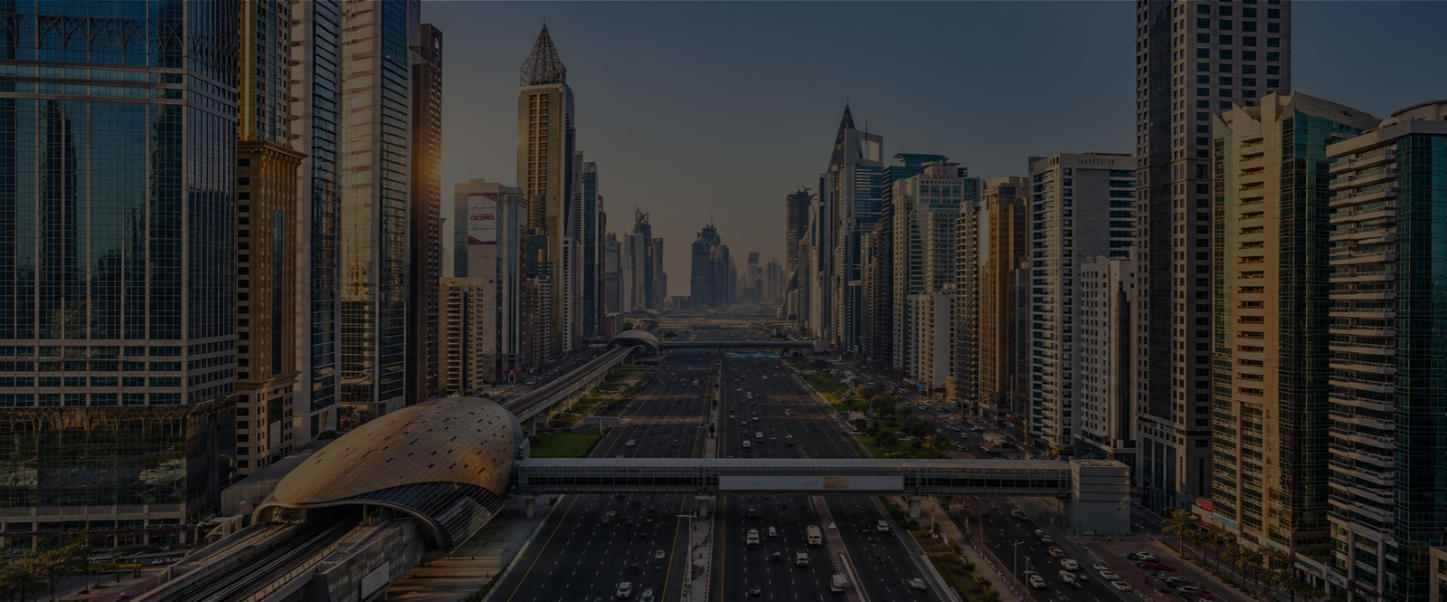
The UAE is advancing towards smarter, safer and more efficient transportation through intelligent infrastructure and data-driven traffic management. As cities expand, vehicle numbers increase and major events place additional pressure on road networks, effective traffic monitoring has become an important part of modern urban mobility.
Traffic monitoring systems help authorities and transport operators understand road conditions, identify congestion, detect incidents and make informed decisions using real-time information. By combining smart cameras, vehicle detection technologies, artificial intelligence (AI) and advanced analytics, these systems can improve visibility across road networks and support faster operational responses.
For businesses, infrastructure developers and transport authorities, understanding how traffic monitoring technology works is essential to planning reliable and future-ready transportation infrastructure.
What Are Traffic Monitoring Systems?
Traffic monitoring systems are integrated technologies designed to collect, process and analyse information about vehicle movements and road conditions. They provide insights into traffic volume, vehicle speed, congestion levels, travel times and potential incidents.
Traditional traffic monitoring often relies on manual observation, periodic traffic surveys and fixed surveillance equipment. Modern systems extend these capabilities through automated data collection, intelligent video analytics and centralised monitoring platforms.
Depending on the application, a traffic monitoring solution may include:
- Traffic surveillance cameras: Capture live footage of roads, intersections, highways and other critical areas.
- Vehicle detection sensors: Identify passing vehicles and measure traffic volume, speed and occupancy.
- Automatic Number Plate Recognition (ANPR): Reads vehicle registration plates to support authorised monitoring and enforcement applications.
- AI-powered video analytics: Analyses video feeds to identify unusual traffic conditions, stopped vehicles and potential incidents.
- Traffic data platforms: Combine information from multiple sources to present road conditions and traffic patterns through dashboards.
- Variable message signs: Display relevant travel information and warnings to help road users make informed decisions.
When these components work together, they provide a more comprehensive understanding of traffic conditions than isolated cameras or manual inspections.
Why Traffic Monitoring Is Important in the UAE
The UAE’s growing urban centres, major highways, commercial districts and large-scale developments require coordinated transportation management. Traffic conditions can change rapidly during peak commuting hours, public holidays, roadworks and major events.
In Dubai, the Roads and Transport Authority (RTA) has continued investing in intelligent traffic management, predictive analytics and AI-driven solutions. Its traffic analysis initiatives demonstrate how real-time and historical data can help identify congestion patterns, assess road speeds and support operational decisions.
These developments highlight the growing importance of data-led traffic monitoring in modern transport infrastructure.
Effective monitoring can help address several challenges:
- Identifying recurring congestion and traffic bottlenecks.
- Improving visibility at busy intersections and highway corridors.
- Detecting incidents and supporting faster response coordination.
- Evaluating the effectiveness of roadworks and traffic diversions.
- Supporting traffic planning for events, commercial developments and growing communities.
For developers and infrastructure operators, traffic monitoring can also provide valuable information when assessing access routes, vehicle circulation and the impact of new developments on surrounding roads.
Key Technologies Used in Modern Traffic Monitoring Systems
1. AI-Powered Traffic Analytics
Artificial intelligence is transforming how traffic data is interpreted. Instead of relying solely on operators to observe camera footage, AI-powered analytics can process video streams and identify patterns that may require attention.
Depending on system capabilities and configuration, these tools can detect stopped vehicles, unusual traffic build-ups, changing traffic density and other potentially significant events.
Predictive analytics can also use historical patterns alongside current traffic information to anticipate congestion and help operators prepare appropriate responses.
For the UAE, where traffic volumes can vary significantly by location, time and event schedule, these capabilities offer opportunities for more proactive traffic management.
2. Intelligent Traffic Surveillance Cameras
Traffic surveillance cameras provide visual coverage of roads, junctions, tunnels, bridges and other transport infrastructure.
Modern deployments may incorporate high-resolution imaging, low-light performance, automated incident detection and integration with central monitoring platforms.
Strategically positioned cameras allow authorised operators to assess traffic conditions remotely and verify events identified by other monitoring technologies.
Camera selection and placement should reflect the environment, required coverage, lighting conditions, network infrastructure and operational objectives.
3. Automatic Number Plate Recognition (ANPR)
ANPR technology uses specialised cameras and optical character recognition software to read vehicle registration plates.
When deployed for an authorised purpose, ANPR can support traffic enforcement, vehicle access control, restricted-zone monitoring and investigations involving specific vehicles.
Integration with other transport systems can help operators correlate vehicle-related information with broader traffic conditions. However, ANPR should be implemented with appropriate access controls, data retention policies and compliance with applicable privacy and legal requirements.
4. Real-Time Traffic Data and Vehicle Detection
Traffic sensors and vehicle detection technologies measure movement across selected road sections. Depending on the equipment, they can provide vehicle counts, speed estimates, occupancy measurements and traffic classification.
This information helps operators understand where traffic is building up and how road conditions change throughout the day.
Combining sensor data with camera feeds and historical records can improve situational awareness and support better-informed traffic planning.
5. Centralised Traffic Management Platforms
A centralised platform brings information from connected cameras, sensors and other approved data sources into a common operational interface.
Operators can use dashboards, maps, alerts and reporting tools to assess road conditions across multiple locations.
Integration with traffic signal control, incident management and traveller information systems can further support coordinated responses. The exact capabilities depend on the selected platform, available interfaces and the infrastructure already in place.
Benefits of Traffic Monitoring Systems
Improved Road Safety
Continuous monitoring can help operators identify potential hazards and incidents more quickly. When connected to suitable alerting and response procedures, these systems can support timely intervention and improve awareness of changing road conditions.
Better Traffic Flow
Traffic volume, speed and congestion data help authorities understand how vehicles move through intersections and road corridors. These insights can inform signal timing adjustments, traffic diversion planning and other measures designed to improve network efficiency.
Faster Incident Response
Automated alerts and centralised monitoring can help operators identify unusual conditions without relying exclusively on manual observation.
When integrated with established emergency and traffic management procedures, this information can support faster verification, coordination and response.
Data-Driven Infrastructure Planning
Historical traffic data can reveal recurring bottlenecks, peak travel periods and areas that may require infrastructure improvements.
Planners can use these findings to evaluate proposed road changes, assess the impact of new developments and prioritise improvements based on observed conditions.
More Efficient Operations
Remote monitoring and automated reporting can reduce the need for repeated manual traffic observations. Operators can use consolidated information to allocate resources, investigate anomalies and evaluate operational performance.
Emerging Traffic Monitoring Trends in the UAE
AI-Driven and Predictive Traffic Management
The direction of traffic technology is moving beyond simply observing what is happening on the road. Increasingly, systems are being designed to analyse patterns, anticipate potential congestion and support proactive decisions.
Dubai’s RTA has highlighted AI, predictive analytics and digital twin technology in its next-generation traffic signal control initiatives. Digital twins can help model traffic scenarios and evaluate proposed signal adjustments before they are implemented in real-world conditions.
These capabilities illustrate how monitoring data can become an active input into traffic optimisation.
Integrated Smart Mobility Infrastructure
Traffic monitoring is increasingly connected with wider intelligent transport systems, traffic signal controls, road safety applications and traveller information services.
Better integration allows different components of the transport network to share relevant information, improving coordination between monitoring, analysis and operational response.
Connected Vehicles and Road Infrastructure
Connected vehicle technologies, including vehicle-to-everything (V2X) communication, can enable information exchange between vehicles and transport infrastructure where supported.
As these technologies develop, traffic monitoring platforms may gain additional sources of information to complement conventional cameras and sensors.
Smarter Monitoring for Major Events
Large exhibitions, conferences, sporting events and public celebrations can generate concentrated traffic demand around venues and access roads.
Traffic monitoring can help operators observe queues, assess vehicle movements and coordinate responses with relevant teams. Combining real-time monitoring with advance traffic planning is particularly valuable where road access, parking facilities and pedestrian movement must work together.
How to Choose the Right Traffic Monitoring Solution
Selecting a traffic monitoring system requires more than choosing cameras or sensors. The solution should match the operational requirements, physical environment and long-term objectives of the project.
Consider the following factors:
- Project requirements: Define whether the priority is traffic surveillance, vehicle counting, speed monitoring, incident detection, ANPR or a combination of capabilities.
- Coverage and positioning: Assess road geometry, intersections, lighting, viewing angles and the areas requiring monitoring.
- System integration: Confirm compatibility with existing traffic control platforms, monitoring centres, network infrastructure and approved third-party systems.
- Data and analytics: Evaluate reporting, alerting, historical analysis and AI capabilities against actual operational needs.
- Scalability: Choose an architecture that can accommodate additional cameras, sensors and monitoring locations as requirements evolve.
- Cybersecurity and compliance: Establish appropriate access controls, secure communications, maintenance procedures and data governance in line with applicable regulations.
- Lifecycle support: Consider installation, testing, calibration, software updates, maintenance and technical support.
A structured assessment helps ensure that the final deployment delivers practical operational value rather than simply adding more monitoring equipment.
The Future of Traffic Monitoring in the UAE
Traffic monitoring is becoming an increasingly important component of intelligent transportation infrastructure. Advances in AI, connected systems, predictive analytics and digital modelling are expanding how traffic information can be collected and used.
For the UAE, these technologies offer opportunities to improve road visibility, strengthen incident management and support more efficient transportation planning. Their effectiveness, however, depends on reliable infrastructure, appropriate system integration, accurate data and well-defined operational procedures.
As smart mobility initiatives continue to develop, organisations that invest in scalable and interoperable traffic monitoring solutions will be better positioned to adapt to changing transportation demands.
Conclusion
Modern traffic monitoring systems provide more than surveillance. They combine cameras, sensors, AI-driven analytics and centralised platforms to turn traffic information into actionable insights.
From identifying congestion and detecting incidents to supporting infrastructure planning and intelligent traffic management, these solutions play a valuable role in developing safer and more efficient road networks.
For transport authorities, infrastructure developers and organisations operating in the UAE, selecting the right monitoring technology is an important step towards building reliable, connected and future-ready transportation systems.
KTC Tec supports intelligent infrastructure and technology-led solutions designed for modern environments. Organisations planning traffic monitoring or intelligent transportation projects should assess their coverage, integration, analytics and operational requirements to identify a solution aligned with their objectives.
Frequently Asked Questions
1. What is a traffic monitoring system?
A traffic monitoring system uses cameras, sensors and software to collect and analyse information about vehicle movements, road conditions, traffic volume and congestion.
2. How does AI improve traffic monitoring?
AI can analyse camera feeds and traffic data to identify patterns, flag potential incidents and support congestion prediction, helping operators make more informed decisions.
3. What is the difference between traffic monitoring and traffic management?
Traffic monitoring collects and analyses information about road conditions. Traffic management uses that information to coordinate actions such as signal adjustments, diversions and incident responses.
4. What is ANPR in traffic monitoring?
Automatic Number Plate Recognition uses cameras and recognition software to read vehicle registration plates for authorised applications such as enforcement, vehicle access control and investigations.
5. Where are traffic monitoring systems used?
They can be deployed on highways, urban roads, intersections, tunnels, bridges, commercial developments, transport facilities and event venues, depending on project requirements.




 +971 4 587 6599
 info@ktcco.net


